Ceramic vs Rubber Lining: Engineering Trade-Offs in Slurry Pipelines
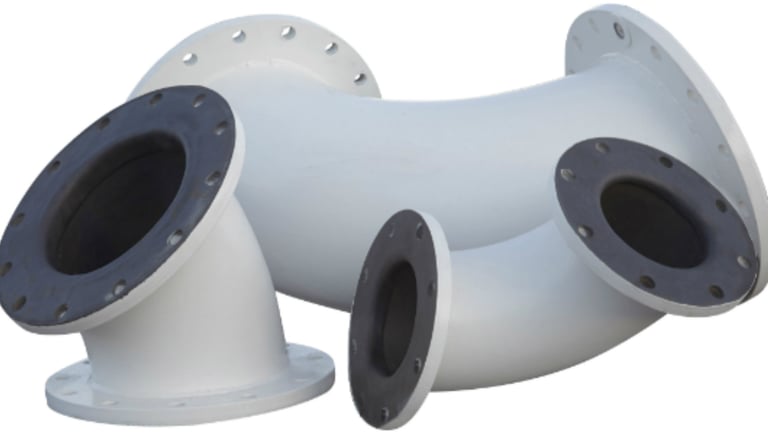
Internal lining systems are critical in slurry pipelines to mitigate wear and extend service life. The two most common options are ceramic lining and rubber lining. Each has specific performance characteristics depending on operating conditions.
Advantages
Limitations
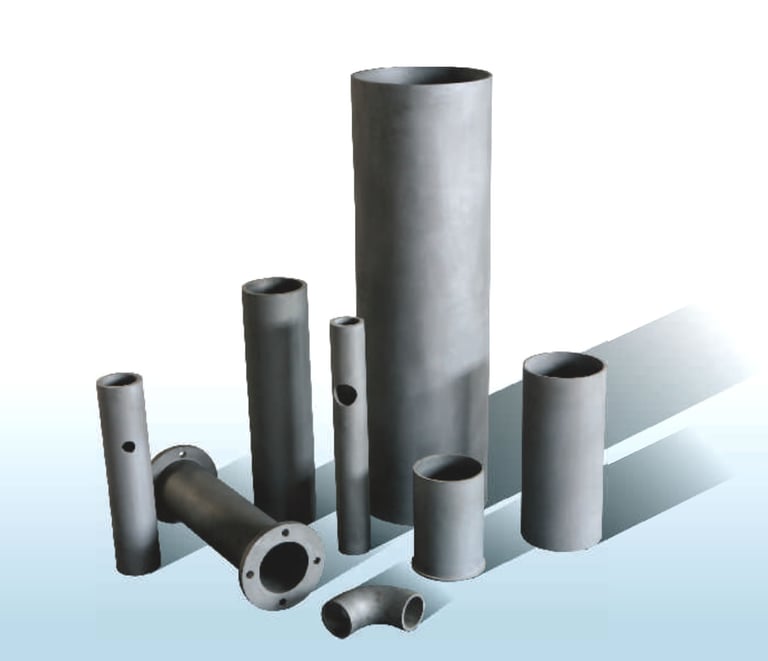
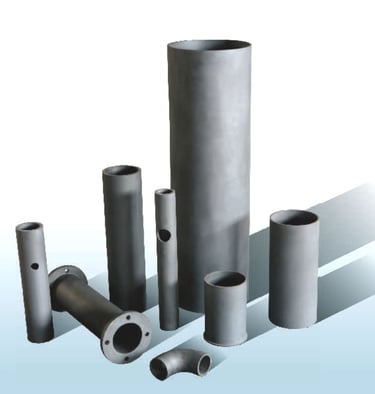
Ceramic Lining Properties and Pipeline Applications
Engineering Application
Extremely high hardness
Superior abrasion resistance
Excellent high-temperature performance
Long service life in high-velocity systems
Brittle under impact
Higher initial cost
Installation complexity
High velocity slurry
Fine abrasive particles
High-pressure lines
Rubber Lining Properties and Pipeline Applications
Advantages
High velocity slurry
Fine abrasive particles
High-pressure lines
Limitations
Lower temperature limit
Inferior abrasion resistance in fine high-speed slurry
Chemical limitations
Engineering Application
Large particle slurry
Lower velocity systems
Impact-dominant wear zones
Engineering Conclusion
Selection must be driven by wear mechanism analysis — sliding abrasion favors ceramic; impact abrasion favors rubber.
Contact Abracore
For enquiries, technical discussions, or project support, please contact Abracore’s team. Whether you require equipment supply, application guidance, or assistance with specification and procurement, we are available to provide prompt and practical support.
Please fill in the form. Alternatively, you can contact us at:
Email: sales@abracore.com.au

Quick Links
Products