
Specialty Alloys vs Ceramics: The Corrosion Perspective
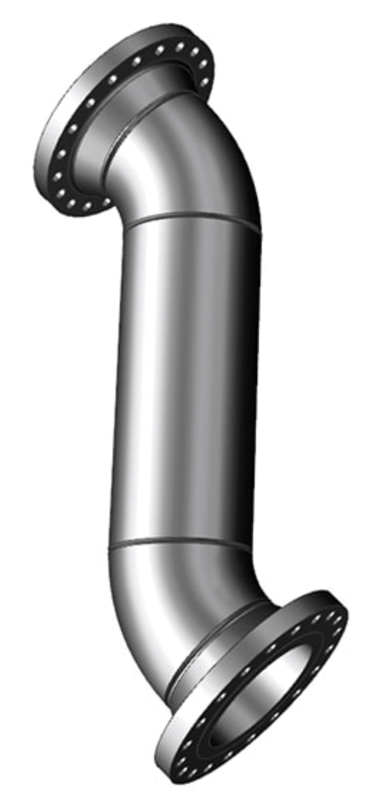
The selection between specialty alloys and advanced ceramics must therefore be evaluated not only from a strength or hardness standpoint, but from a corrosion science perspective.
Understanding how each material responds to chemical attack is fundamental to improving reliability and lifecycle performance.
Corrosion in Mineral Processing
Acidic tailings (low pH)
Chloride-rich process water
Sulphide-bearing slurries
High dissolved oxygen levels
Elevated temperatures
Mechanisms of Corrosion
Engineering Conclusion
Corrosion behaviour differs fundamentally between metals and ceramics
Alloys rely on passive films; ceramics rely on inherent chemical stability
Erosion–corrosion synergy significantly reduces alloy lifespan
Ceramics offer superior chemical resistance but require mechanical design care
Hybrid systems often deliver the best lifecycle performance
Uniform corrosion
Pitting corrosion
Crevice corrosion
Galvanic corrosion
Stress corrosion cracking
Corrosion + Erosion: The Critical Comparison
In real mining systems, materials rarely face corrosion alone. The interaction between mechanical wear and chemical attack defines performance.
When to Choose Specialty Alloys
Structural load-bearing is critical
High impact loading is expected
Fabrication and welding flexibility is required
Pressure containment is primary design factor
Temperature cycling demands toughness
When to Choose Ceramics
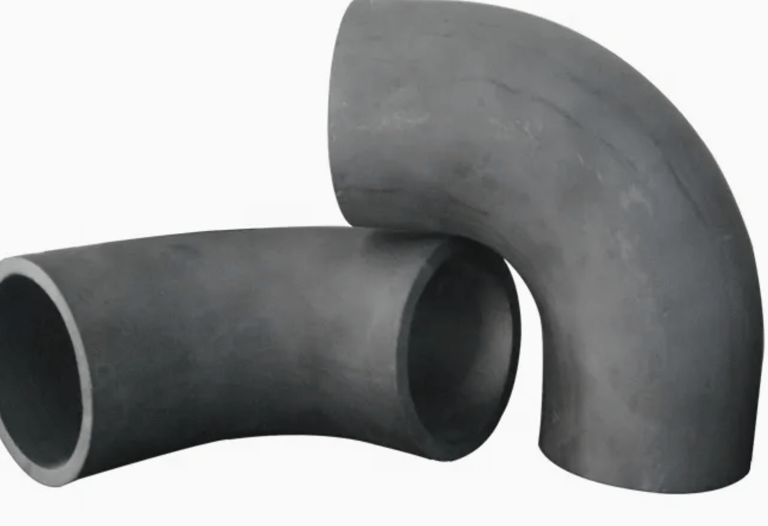
Corrosion rates exceed acceptable limits for alloys
Fine abrasive slurry dominates
Long service life outweighs initial cost
Chemical stability is critical
Maintenance access is limited
Contact Abracore
For enquiries, technical discussions, or project support, please contact Abracore’s team. Whether you require equipment supply, application guidance, or assistance with specification and procurement, we are available to provide prompt and practical support.
Please fill in the form. Alternatively, you can contact us at:
Email: sales@abracore.com.au


Quick Links
Products